Secuestro de carbono en bosques comunitarios
Ejido La Ciudad
 Compensación
General Information
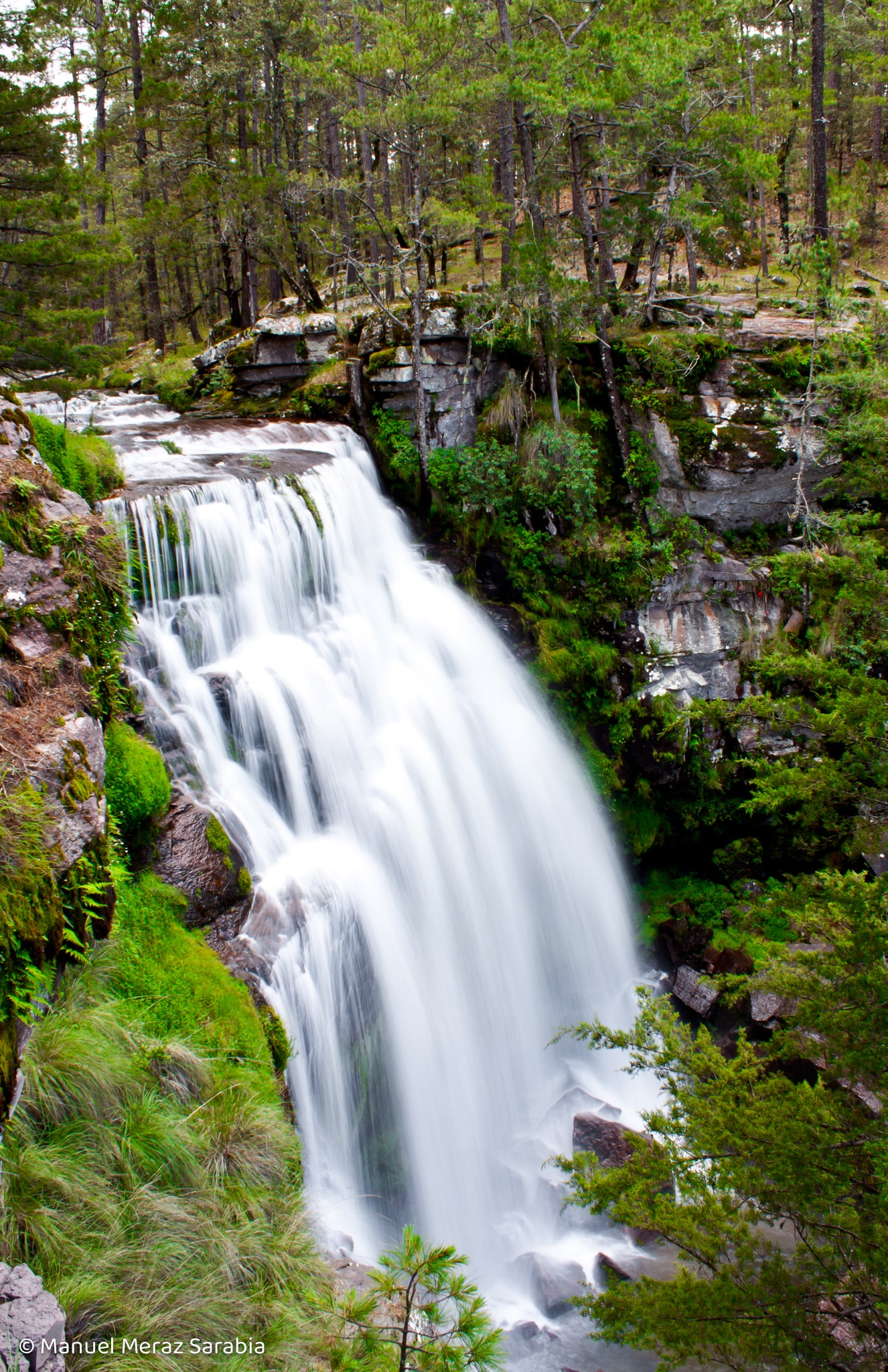
Ejido La Ciudad was founded on June 18, 1937, and encompasses 13,526.92 hectares of land that ejidatarios (communal landholders) have preserved over decades through sustainable forest management. Activities include reforestation, maintenance of reforested areas, creation of firebreaks, forest sanitation programs, and participation in payment for environmental services programs, which have helped conserve the ecological integrity of their ecosystems. Additionally, the Ejido has implemented complementary activities to the forest management program, such as forest cultivation and maintenance and rehabilitation of forest roads.
Estimated Total or Annual Amount of Reduced/Removed Carbon
- Estimated Annual Removal: Approximately 44,500 tonnes of CO₂ equivalent (tCO₂e).
Coverage
- Total Project Area: 13,486.08 hectares
- Activity Area: 12,222.74 hectares
Project Location
Location: The Ejido is located in the Sierra Madre Occidental mountain range, within the municipality of Pueblo Nuevo, southwest of Durango State, Mexico.
Access is via the federal highway "Durango – Mazatlán", covering 145 km from the city of Durango. Along the highway, two significant localities are found: Llano Grande and El Salto, the municipal seat of Pueblo Nuevo. The main population center is the town of La Ciudad, which houses the Ejido's administrative offices.
Purpose / Objective of the Project
The project aims to:
- Develop restoration activities in degraded areas caused by natural processes like erosion or by forest fires and pests. Activities include plant production, reforestation, equipping fire and sanitation brigades, among others.
- Enhance teamwork among Ejido members, forestry technical service personnel, government agencies, and non-governmental organizations to raise awareness among all involved parties about the value of natural resources in forest ecosystems as natural heritage and a source of well-being for society.
Project type & Methodology
Project Type: Forest conservation and carbon sequestration. Methodology: The project follows the Mexico Forest Protocol (MFP) v3.0 of the Climate Action Reserve (CAR) of California. This protocol was specifically developed for Mexican forests, considering the social and environmental conditions of all forest regions in the country. The MFP is internationally recognized, and its methodologies are accepted in the voluntary carbon market, ensuring an effective contribution to climate change mitigation.
Buffer Pool Contribution:
Total 30.86% distributed as follows:
- Financial Risk: 4%
- Ilegal Removals of Forest Biomass: 2%
- Conversion: 6%
- Over-Harvesting: 4%
- Social Risk: 6%
- Political Risk: 4%
- Wildfire, Disease, or Insect Outbreak: 4%
- Other Episodic Catastrophic Events: 6%
Project Activities
Explanation of the Project Activity
The project implements silvicultural strategies aligned with improved forest management practices to:
- Promote higher growth rates and establish utilization intensities that do not reach the maximum limit of annual allowable cut, intending to maintain reserves in timber stocks and increase carbon stocks. Activities include:
- Induction and Protection of Natural Regeneration: Facilitating the growth of new trees through natural processes.
- Reforestation with Native Species: Planting native trees in areas lacking sufficient regeneration.
- Non-Commercial Thinning (Pre-thinning): Removing competing vegetation to allow healthier trees to thrive.
- Weeding (Chaponeos): Controlling weeds and shrubs that impede tree growth.
- Opening Firebreaks: Creating barriers to prevent the spread of forest fires.
- Forest Health Maintenance: Preventing and combating pests and diseases.
- Selective Harvesting: Maintaining the structural irregularity of the forest through individual or group selection, improving stand composition and resistance to harmful agents, and regulating density and distribution.
- Removal of Affected Trees: Eliminating trees damaged by fires or pests to improve stand health and accelerate growth. These activities reduce forest degradation, ensuring that growth is not threatened and preventing carbon reversals. Future Outlook Upon project implementation, the Ejido will develop short- and long-term plans to:
- Maintain or increase carbon stocks
- Ensure equitable distribution of project benefits among community members
- Guarantee biodiversity conservation
- Promote community well-being with gender equity
Monitoring
Monitoring Frequency
- Annual Monitoring: Assessments will be conducted annually to evaluate the impact of project activities on carbon stocks, forest health, and biodiversity.
Monitoring Methodology
- Follows the methodology outlined in the Mexico Forest Protocol (MFP) v3.0 of the Climate Action Reserve.
- The MFP is internationally recognized and accepted in the voluntary carbon market, ensuring accurate measurements. Regularly Released Monitoring Reports
- Annual Reports: Monitoring reports will be publicly accessible on the Climate Action Reserve platform, ensuring transparency of project results.
Additionality
Explanation of Additionality:
The project's additionality is demonstrated through:
- Environmental Additionality: Implements improved forest management practices beyond business-as-usual scenarios, leading to genuine carbon emission reductions.
- Financial Additionality: Carbon finance is essential for restoration activities that are not financially viable through timber sales alone.
- Technological Additionality: Introduces advanced silvicultural techniques and monitoring methodologies uncommon in the region.
- Policy Additionality: Exceeds existing legal requirements, providing additional environmental benefits beyond compliance.
Climate Co-Benefits
Additional Contribution to Climate
- Ecosystem Services Preservation: Protects and enhances the forest's capacity to provide environmental services like hydrological cycle regulation and soil erosion prevention.
- Climate Justice Promotion: Involves local communities in sustainable practices, promoting equitable benefit distribution.
Biodiversity Co-Benefits
Additional Contribution to Biodiversity
- Species Conservation: Income from carbon certificates will fund conservation actions to maintain biodiversity.
- Threatened Species Protection: Within the property, at least 10 species are reported under risk categories according to NOM-059SEMARNAT-2010, Annex III (SEMARNAT, 2019).
- Hotspot Location: The project area is situated in the Sierra Madre Pine and Oak Woodlands hotspot, as reported in Diversity Hotspots Revisited by Conservation International.
- Flora and Fauna Preservation: Conserves numerous wild flora and fauna species typical of pine and pine-oak forests, some of which are at risk nationally and internationally, including: Flora: - White cedar (Cupressus lusitanica) - Old man's head cactus (Mammillaria senilis) Fauna: - River otter (Lontra longicaudis annectens) - Military macaw (Ara militaris) - Eared trogon (Euptilotis neoxenus) - Thick-billed parrot (Rhynchopsitta pachyrhyncha) - Feline Species: Four of the six feline species in Mexico are present: 1. Jaguarundi (Herpailurus yagouaroundi) 2. Ocelot (Leopardus pardalis) 3. Bobcat (Lynx rufus) 4. Puma (Puma concolor)
Social Co-Benefits
Additional Contribution to Society
- Employment Generation: Creates jobs for local community members, promoting economic development.
- Community Well-Being: Enhances teamwork among Ejido members and stakeholders, fostering social cohesion.
- Gender Equity Promotion: Encourages the involvement of women in project activities, promoting gender equality.
Additional Selling Points
Commitment to Environmental Excellence: Demonstrates a strong commitment to environmental conservation and sustainable practices.
Transparency and Accessibility Monitoring reports are publicly available, ensuring transparency and building trust with stakeholders.
Community Scenario Before Project Initiation
- Forest Management Program (FMP): The Ejido has an FMP for the sustainable utilization of its timber resources covering the period 2016–2026. This program has been executed with the ongoing participation of Ejido members and relevant institutions involved in forest resource management. The implementation of the FMP generates approximately 300 permanent jobs.
- FSC Certification: Since 2008, the Ejido has held certification for good forest management under the principles of the Forest Stewardship Council (FSC) (certificate code: NC-FM/COC-000228). This certification ensures that forest resource management adheres strictly to current forest regulations, respects land tenure rights and responsibilities, ejido relationships, and workers' rights, and guarantees equitable distribution of forest benefits among Ejido members. It also ensures the conservation of biodiversity, maintenance of ecological functions, and promotes monitoring and evaluation of resources according to the scale and intensity of forest management.

Fin de la Pobreza
Poner fin a la pobreza en todas sus formas y en todo el mundo

Trabajo Decente y Crecimiento Económico
Promover el crecimiento económico sostenido, inclusivo y sostenible, el empleo pleno y productivo y el trabajo decente para todos

Reducción de las Desigualdades
Reducir la desigualdad en los países y entre ellos

Producción y Consumo Responsables
Garantizar modalidades de consumo y producción sostenibles

Acción por el Clima
Adoptar medidas urgentes para combatir el cambio climático y sus efectos

Vida de Ecosistemas Terrestres
Proteger, restablecer y promover el uso sostenible de los ecosistemas terrestres, gestionar sosteniblemente los bosques, luchar contra la desertificación, detener e invertir la degradación de las tierras y detener la pérdida de biodiversidad
- 2022
0 tCO2e
20.70 EUR/tCO2e
Este proyecto tiene años vintage. Esto indica el año en el cual se emitieron los créditos, correspondiéndose con las toneladas de CO2 evitadas o capturadas por el proyecto en ese mismo año.
Este tipo de proyecto es IFM (Mejora de la Gestión Forestal por sus siglas en inglés). Esto implica implementar prácticas sostenibles en bosques existentes para mejorar la captura de carbono, lo cual incluye reducir la tala, los incendios forestales y adoptar técnicas de monitorización y cosecha sostenible. Los proyectos IFM pueden generar créditos de carbono al demostrar la diferencia en la absorción de carbono entre las prácticas actuales de manejo forestal y las mejoradas.
Carbon Standard. Esto significa un conjunto de reglas y criterios utilizados para medir, informar y verificar las reducciones o eliminaciones de emisiones de un proyecto o actividad específica. Los Carbon Standards son esenciales en los mercados de carbono, ya que proporcionan, a los desarrolladores de proyectos, una metodología transparente y consistente para determinar la cantidad de créditos de carbono que pueden emitirse.
 MX
$ 429.87
22 tCO2e
25 nov 2025
- MX
$ 390.17
20 tCO2e
12 nov 2025
- MX
$ 77.03
4 tCO2e
2 oct 2025
- MX
$ 846.12
44 tCO2e
29 sept 2025
- MX
$ 79.98
5 tCO2e
28 jul 2025
Para desarrolladores
Si eres desarrollador y
quieres compartir tu
proyecto, este es tu lugar